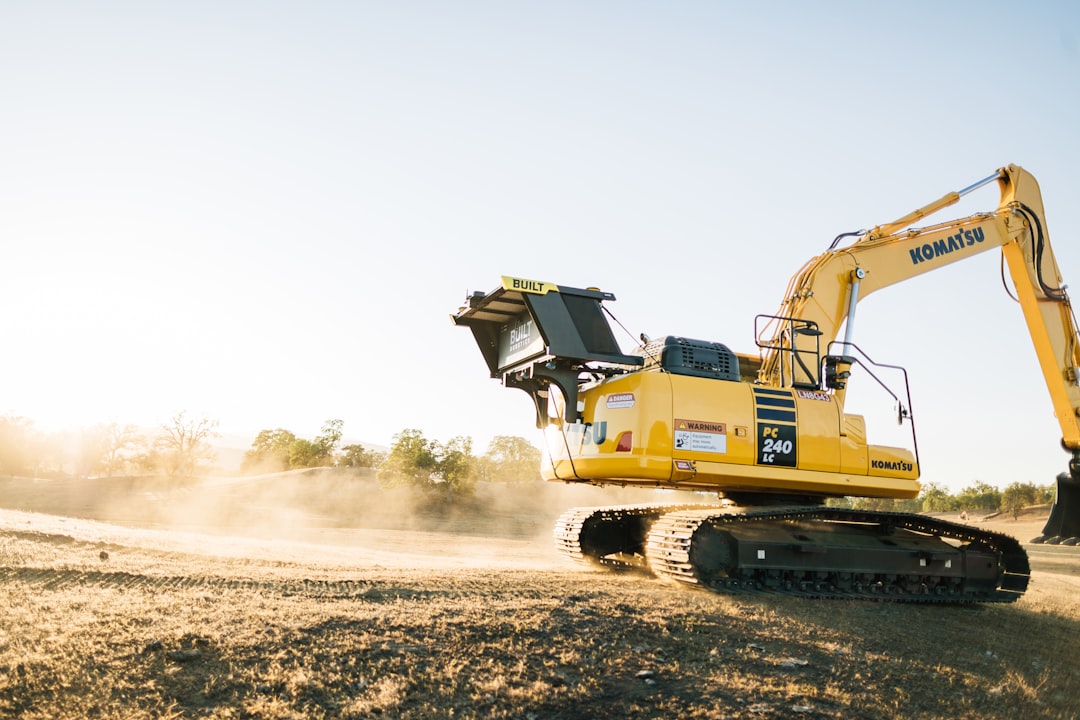
Business equipment finance lets a company acquire machinery, vehicles and technology without paying the full cost upfront. Common structures are the chattel mortgage, finance lease, operating lease and commercial hire purchase. Deposits typically range from 10 to 30 per cent, with some lenders funding up to 100 per cent for established businesses. Terms usually run from one to seven years, and many applications are approved within 24 to 48 hours.
For Australia buyers, business equipment finance is the route most Australian businesses use to fund machinery, vehicles and technology while keeping working capital free.
Business Equipment Finance Explained
Buying machinery outright ties up cash that a growing business usually needs for wages, stock and day-to-day operations. Funding the purchase spreads the cost over the useful life of the asset, so the equipment earns its keep while the repayments are made. According to The Loan Phone, established businesses can finance up to 100 per cent of equipment costs, which means little or no deposit is needed in the right circumstances.
The other driver is tax. With a chattel mortgage the business can claim the GST on the purchase upfront, claim depreciation on the asset, and deduct the interest portion of the repayments. The instant asset write-off may also apply. These outcomes depend on your situation, so the figures should always be confirmed with your accountant.
The four finance structures, compared
There is no single right structure. The choice depends on whether you want to own the asset, how you treat it for tax, and whether the equipment dates quickly. The four options used most often are set out below.
- Chattel mortgage: you own the equipment from day one and make regular repayments, with an optional balloon payment at the end to lower the monthly cost.
- Finance lease: the financier owns the asset during the lease; you make payments and can buy, extend or return it at the end of the term.
- Operating lease: suited to assets that need regular upgrades, the financier keeps ownership and you lease for a set period.
- Commercial hire purchase: you pay in instalments and take ownership once the final payment is made, which suits full-financing needs.
What you can fund and what lenders look for
Equipment loans cover a broad range of business assets. Lenders regularly fund manufacturing and industrial machinery such as CNC machines, presses and welding gear; construction and earthmoving plant including excavators, loaders and cranes; agricultural machinery; medical and dental equipment; commercial kitchen and refrigeration gear; and technology such as servers, point-of-sale systems and telecommunications hardware.
Quality used equipment can usually be funded as well, with age limits that vary by asset type but commonly extend to around ten years old. When assessing an application, lenders weigh the trading history of the business, the type and resale value of the asset, and the proposed deposit. A finance broker who knows asset values and lender appetites can match the request to the lenders most likely to approve it. For a wider view of funding business assets beyond equipment alone, the guide to business asset finance in Australia covers vehicles, fit-outs and technology under the same structures.
Costs, deposits and approval times
Deposits typically sit between 10 and 30 per cent, although established businesses with a strong trading history may secure up to 100 per cent financing. Loan terms generally run from one to seven years, set against the expected useful life of the asset so the repayments roughly track its value over time.
Speed is often the deciding factor when a supplier deal is on the table. Many equipment applications are approved within 24 to 48 hours, and once approved the broker coordinates with the supplier so delivery and settlement run smoothly. Most lenders require comprehensive insurance on the funded asset to protect their security interest, so factor that into the running cost.
Who this applies to
This guide is for Australian business owners, sole traders and company directors who need to acquire equipment to operate or grow, and who would rather preserve cash than buy outright. It applies across industries, from trades and transport to healthcare, hospitality, agriculture and manufacturing. It does not cover personal or consumer purchases, which are funded under different rules.
- Share your equipment needs. Set out the equipment type, cost, whether it is new or used, and how the business will use it.
- Get matched with specialists. A broker who understands equipment values and lender appetites connects you with suitable finance providers.
- Compare the structures. Review chattel mortgage, finance lease, operating lease and commercial hire purchase, weighing ownership, tax and cost.
- Settle and take delivery. Once approved, the broker coordinates with the supplier so delivery and settlement of the equipment run smoothly.
| Structure | Who owns the asset | Best suited to |
|---|---|---|
| Chattel mortgage | Your business, from day one | Owning the asset and claiming GST upfront |
| Finance lease | The financier, during the term | Lower upfront cost with an end-of-term choice |
| Operating lease | The financier | Equipment that needs regular upgrades |
| Commercial hire purchase | You, after the final payment | Full financing with eventual ownership |
Common questions
How much deposit do I need for business equipment finance? Deposits typically range from 10 to 30 per cent, but some lenders offer up to 100 per cent financing for established businesses with a strong trading history.
Can I finance used equipment? Yes. Most lenders fund quality used equipment, with age limits that vary by type but commonly extend to around ten years old.
How long does approval take? Many equipment finance applications are approved within 24 to 48 hours, after which the broker coordinates delivery and settlement with the supplier.
This guide covers business equipment finance in Australia: the chattel mortgage, finance lease, operating lease and commercial hire purchase structures, what assets can be funded, deposits, terms and approval times.